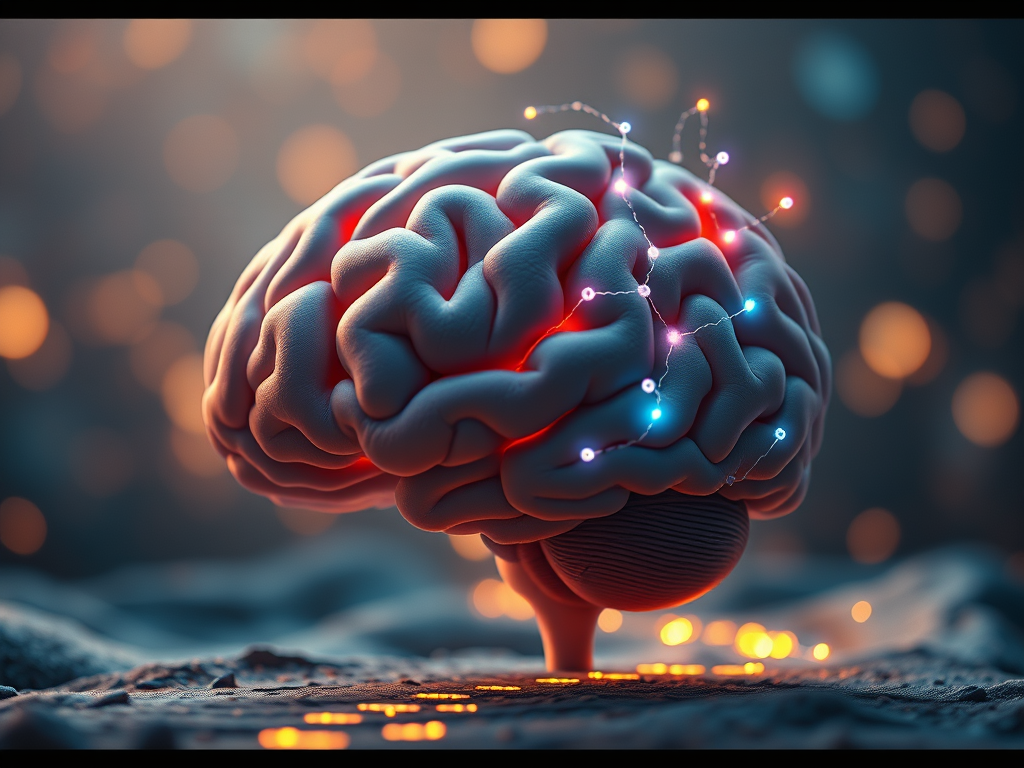
Eric Kandel’s Nobel-winning research showed that memory, learning, and emotional conditioning all rely on synaptic plasticity—the brain’s ability to strengthen or weaken its neural connections. Two regions play an especially important role in this process: the hippocampus, which is linked to memory and learning, and the amygdala, which shapes our emotional responses, particularly fear and safety.
The good news is you can actively improve how these areas function. For the hippocampus, novelty and movement are key. Trying new things, whether that’s taking a different route to work, learning a new skill, or simply engaging your curiosity, strengthens the brain’s memory circuits. Aerobic exercise, like brisk walking or cycling, boosts a powerful growth factor called BDNF, which helps new connections form. Quality sleep and relaxation practices, such as hypnosis or meditation, also allow the hippocampus to replay experiences and lock them into long-term memory.
The amygdala is tuned to emotion—especially fear. To reshape its patterns, pairing safety with challenge makes a real difference. Slow breathing, gratitude, and guided relaxation (my hypnosis audio), can calm an overactive amygdala. Gradual exposure to previously stressful situations (desentization), paired with a sense of safety, can retrain the brain to respond with confidence instead of fear. Even brief “controlled stressors,” such as a short cold/cool shower (60 second rinse) followed by relaxation, can increase emotional resilience when practiced wisely.
What’s most encouraging is that the same daily habits—movement, novelty, deep relaxation, gratitude, and restorative sleep—support both learning and emotional balance. By weaving these practices into everyday life, you not only sharpen your memory but also strengthen your ability to stay calm under pressure. Step by step, the brain adjusts itself, helping you live with greater clarity, confidence, and calm.
Click the Link to download a “Calm & Memory Worksheet”
For a personal objective, please schedule a Call Back Here
Disclaimer: The “Just Suppose Newsletter” and Blog share ideas in exploring personal progress as derived from various sources. It is intended as information only and is not intended as advice to engage in any specific physical or mental activity. Always consider whether these ideas, concepts, techniques & activities are right for you & always confer with your health professionals.
Discover more from Kevin Rogers Hypnosis
Subscribe to get the latest posts sent to your email.